
Cinema and Visual Culture
From film costume to digital video: designing garments, characters and images that last.
A garment can become recognizable before anyone knows its cut, its fabric or the name of whoever designed it.
Cinema doesn't just show fashion: it helps build it
A garment can become recognizable before anyone knows its cut, its fabric or the name of whoever designed it. It is enough for it to be tied to a character, a narrative moment or an image that keeps circulating.
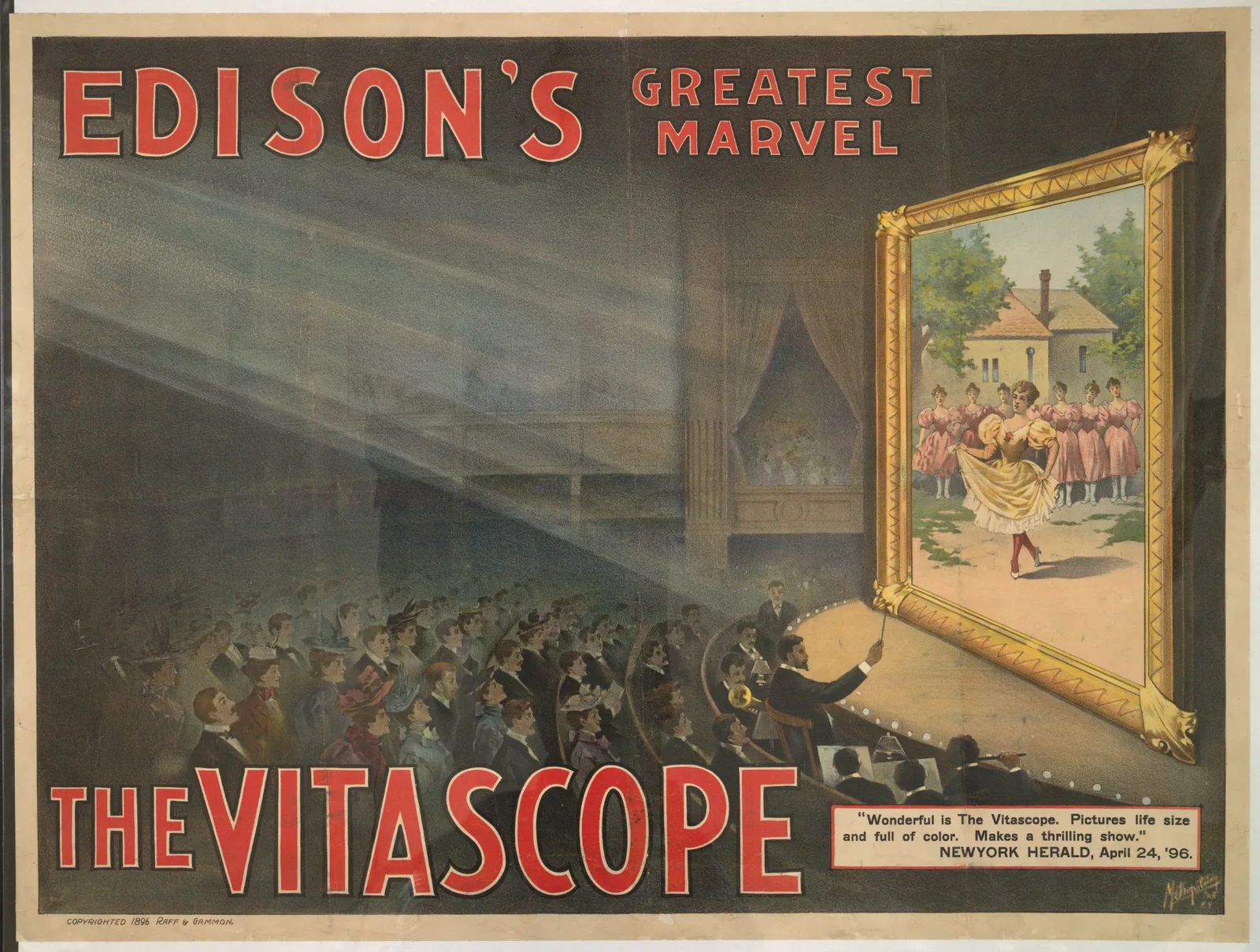
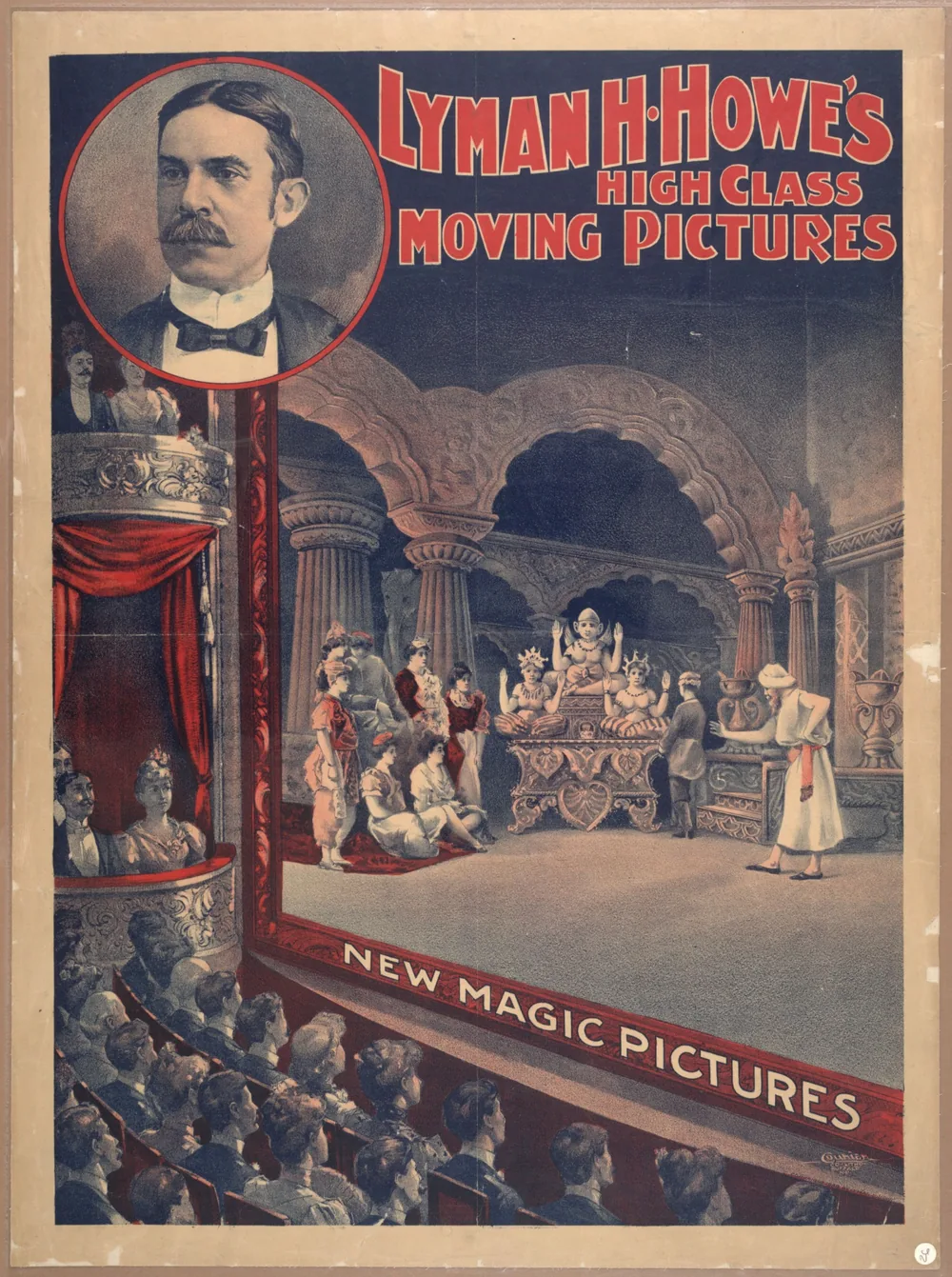
Cinema has had this ability since the early days of its commercial spread. It brought silhouettes, colors, materials and ways of wearing clothes into theaters, turning them into shared references for audiences far larger than those reached by fashion magazines or runway shows.
In the 1930s the work of Gilbert Adrian, known simply as Adrian, shows how concrete this relationship already was. Active in Hollywood from 1925, he worked for Metro-Goldwyn-Mayer until 1941. His costumes for Joan Crawford and Jean Harlow were not mere stage elements: they helped define an aesthetic that was recognizable off the screen as well.
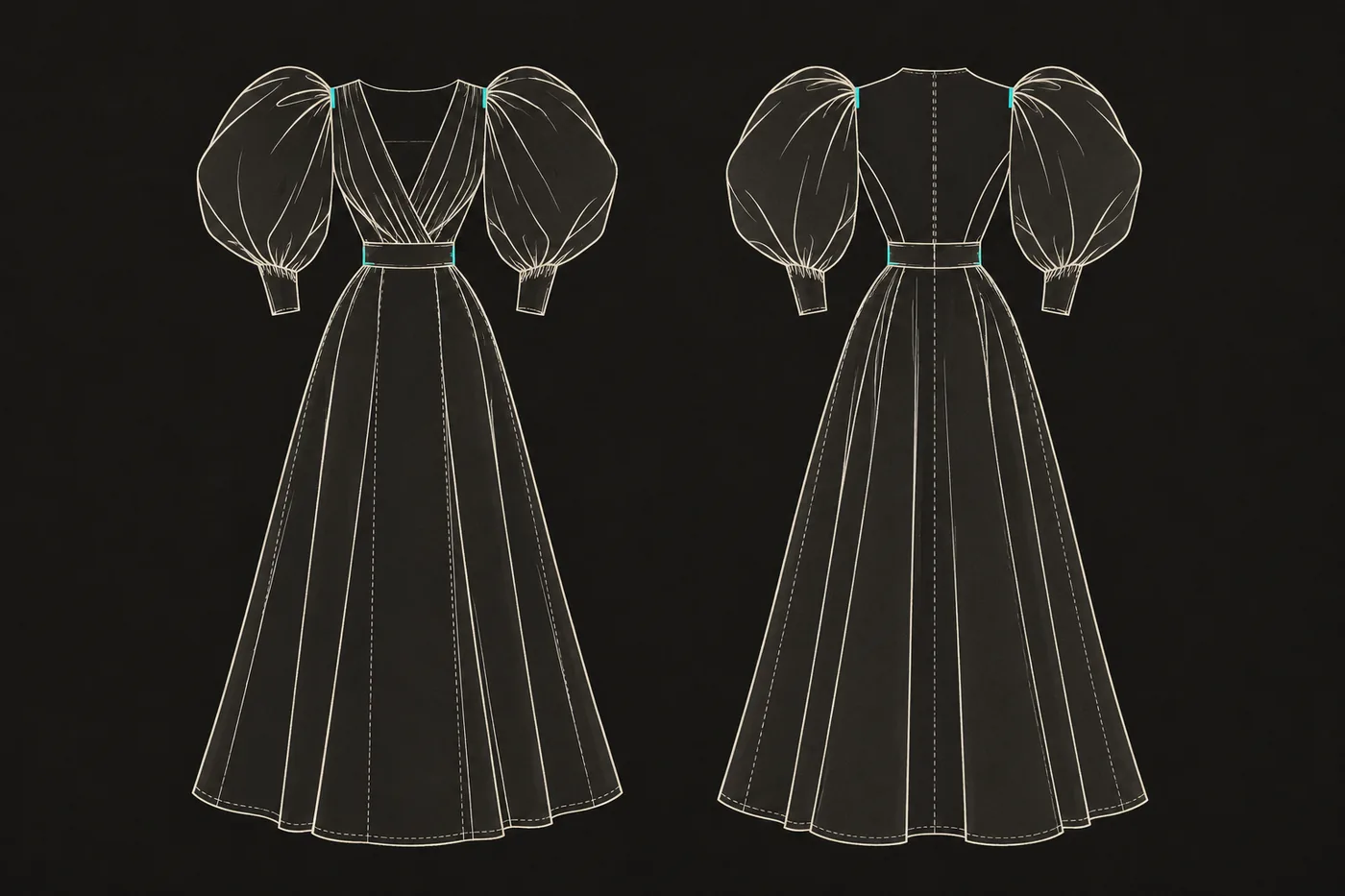
The best-known case is the white organza dress worn by Joan Crawford in Letty Lynton (1932). A narrow waist, a full skirt and very developed sleeves departed from the close-fitting silhouettes common at the start of the decade. The design was reproduced commercially and spread considerably.
It is not only a matter of popularity. Cinema let people see a garment on a moving body, in relation to other characters, to an environment and to a situation. The silhouette took on a meaning that an isolated photograph could not necessarily convey.
Adrian also worked in a system that tied the film studio directly to retail: so-called cinema shops offered garments inspired by the costumes seen in films. The cinematic image did not merely influence taste. It could trigger real demand for a product.
The costume designer as a designer
A film costume is a project that has to solve narrative, aesthetic and production needs at once. The costume designer works on the character, but also collaborates with the director, the actors, the set design, the cinematography and the production. The job includes research, defining the silhouette, choosing materials, making or sourcing the garments and preparing them for filming.
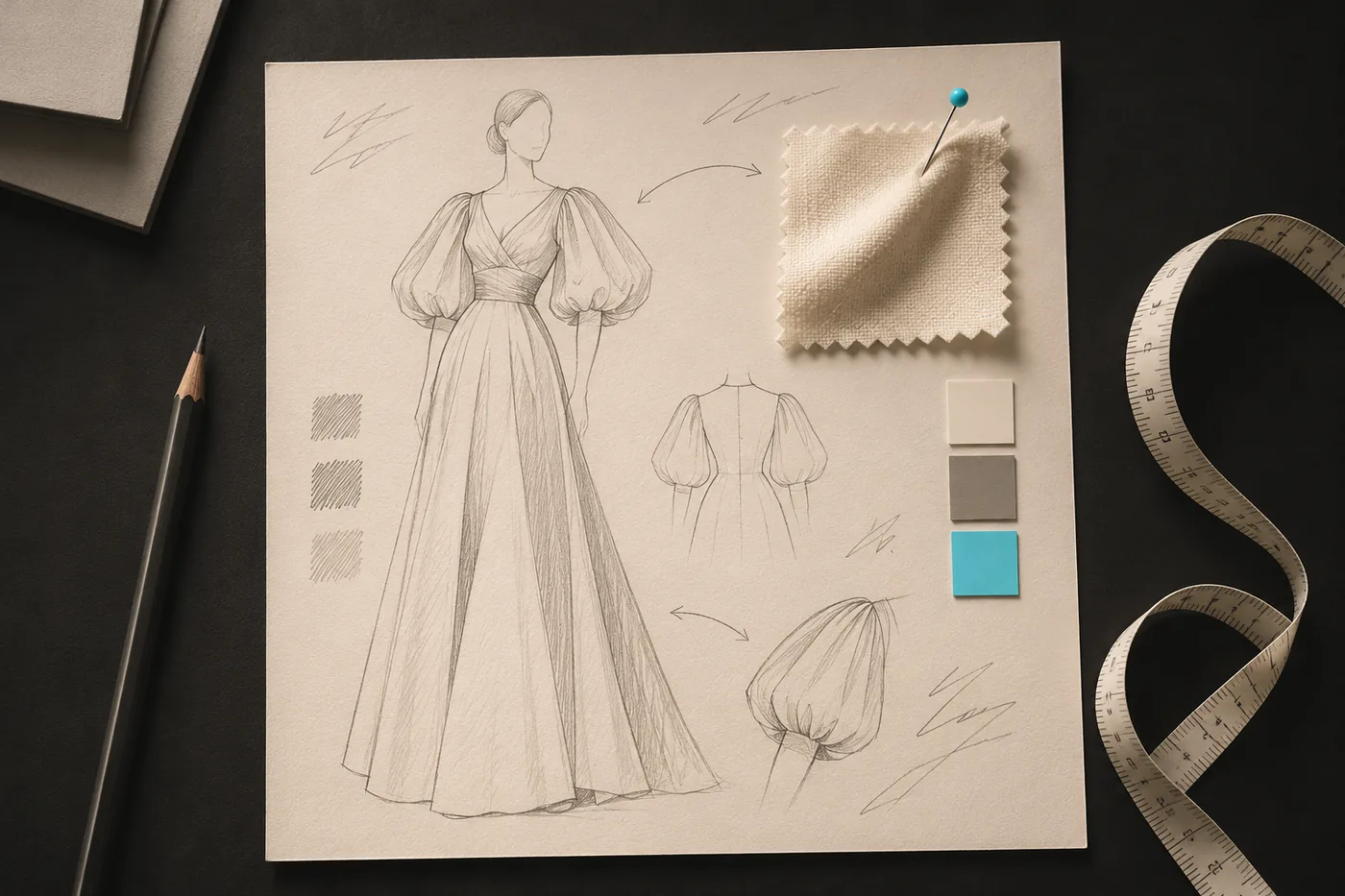
The work of Edith Head is an example of this complexity. Head of the Paramount costume department from 1938, she later worked for Universal as well, with a career of over a thousand films, 35 Oscar nominations and eight wins.
In Sabrina (1954), with Audrey Hepburn, you can see how necessary it is to distinguish creative responsibilities. Hubert de Givenchy played a decisive role in the character's Parisian wardrobe, but the film credits Edith Head for costume design. It is a useful case because it prevents reducing the project to a single name: a costume can come from the meeting of a creative direction, an outside collaboration, the work of the tailoring department and the needs of production.
Another example is Rebel Without a Cause (1955), directed by Nicholas Ray. Costume designer Moss Mabry worked on James Dean's clothing, helping define a recognizable youth image: white T-shirt, jeans and red jacket. The color of the jacket made it instantly distinguishable from the dark clothes of the other boys, and the jeans were treated to achieve the worn look that was wanted.
That image made desirable an everyday way of dressing that did not seek formal elegance. The character did not wear a collection: he wore a set of garments credible for his narrative identity, and it was precisely this credibility that made it easy to reproduce in real life.
With Annie Hall (1977), directed by Woody Allen, the relationship becomes even more layered. Costume designer Ruth Morley, Diane Keaton and designer Ralph Lauren are all associated with building the character's wardrobe, and sources do not agree on a single origin of the look: Morley claimed an important part of it, while Keaton contributed her own wardrobe and her search for menswear. The result was a combination of shirts, ties, vests, wide trousers and layering that made women's use of the male wardrobe more visible and accessible.
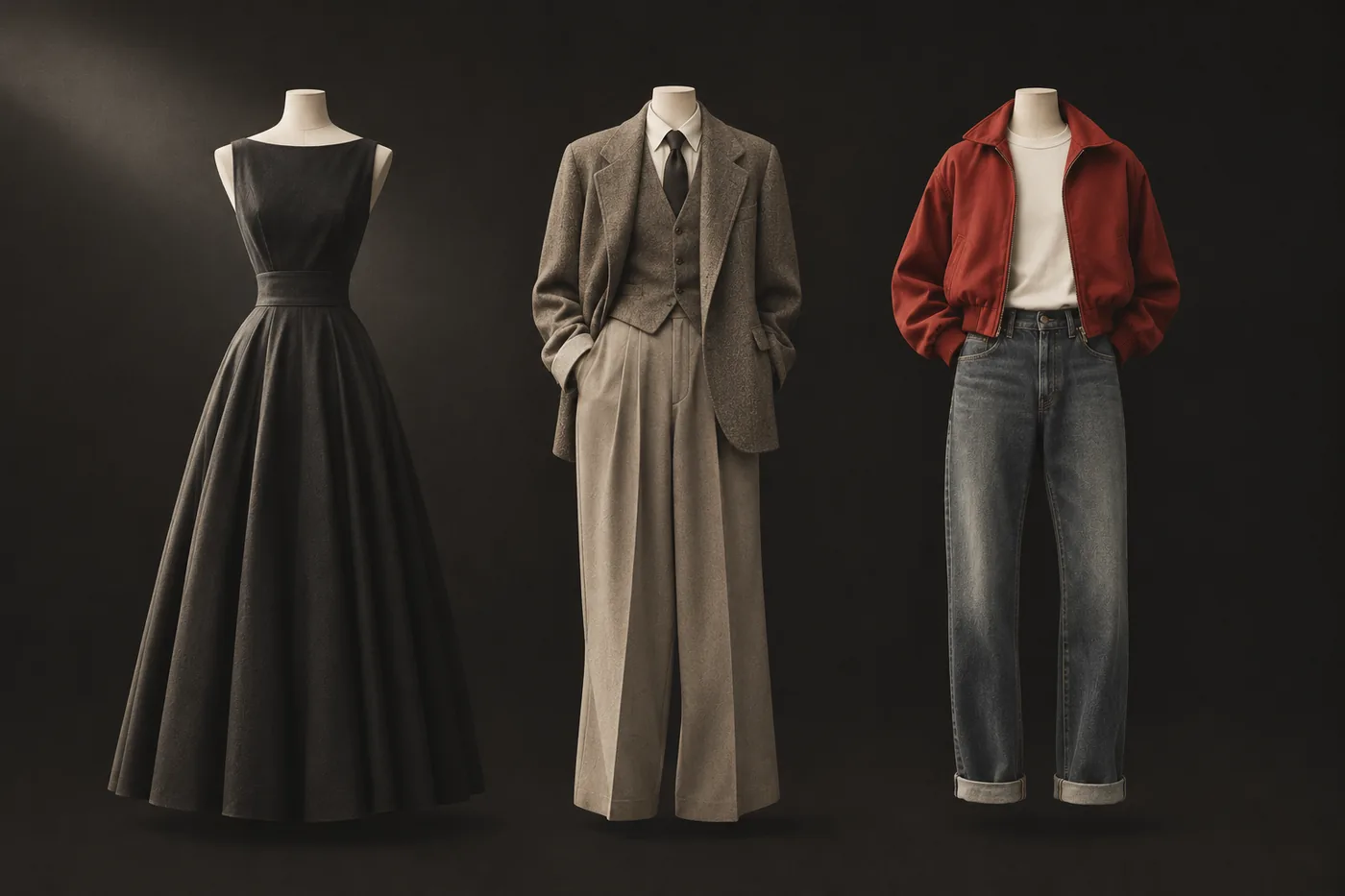
The point is not to attribute everything to a single garment. It is to observe how a combination of elements, placed in a credible character, can become a replicable system of dress.
When fashion enters the film
Influence does not always run from cinema to fashion. In several cases it is the fashion project that enters film production directly.
A significant example is American Gigolo (1980), by Paul Schrader. Giorgio Armani contributed to the clothing of Richard Gere, the film's lead. The soft tailoring, unstructured jackets and muted palette of the wardrobe of the character Julian Kaye expressed research already present in the designer's work: a less rigid construction and a relaxed approach to menswear. The film gave that research international visual distribution. The wardrobe was not invented for an abstract figure: it brought to the screen a way of designing already developed within the fashion system.
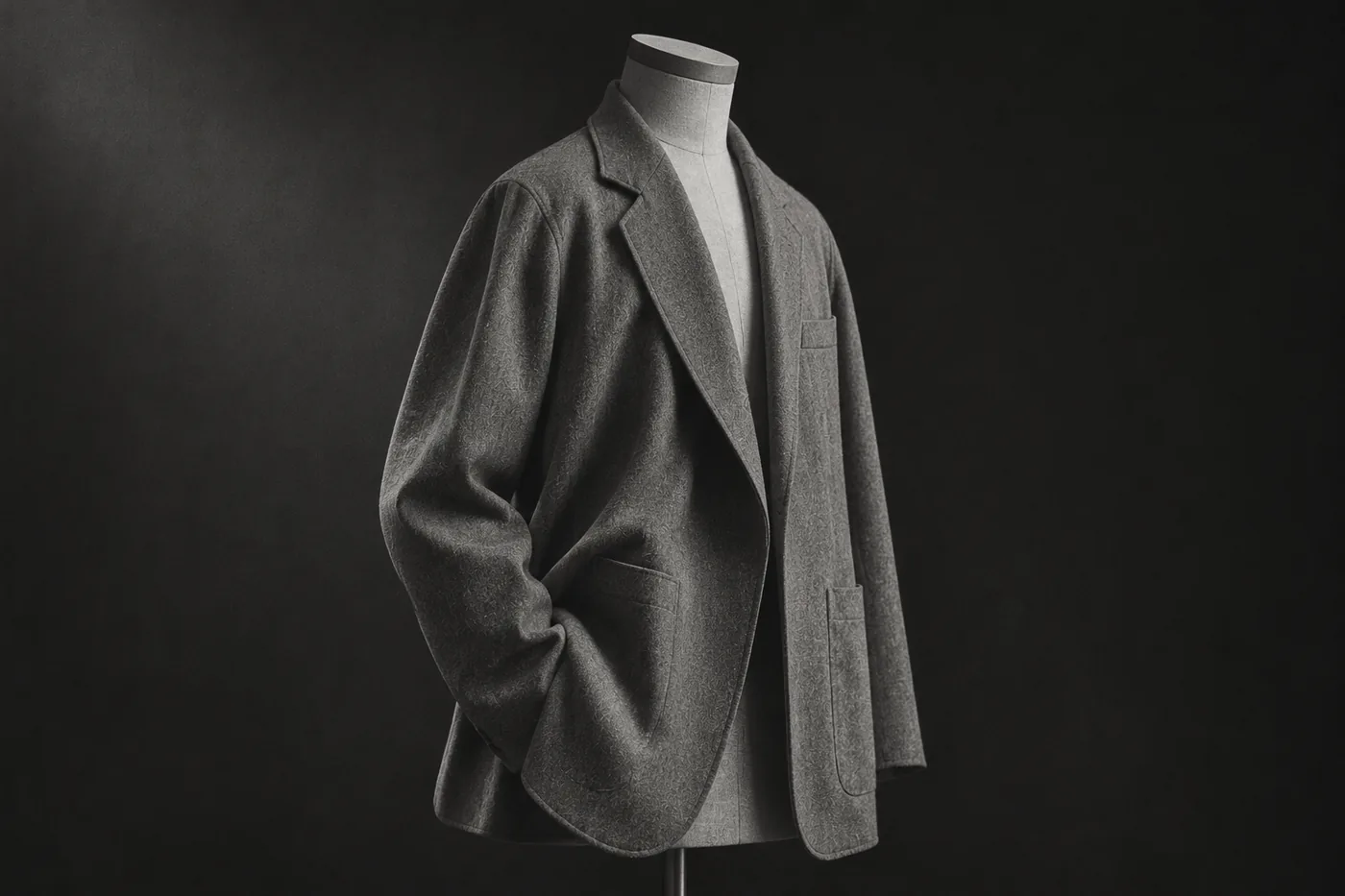
One historical note. Armani had originally prepared a set of clothes for John Travolta, initially slated as the lead; the film was then played by Richard Gere. The detail shows how much costume depends on the real conditions of a production, and how important it is to verify attributions before telling a historical case.
The relationship between couture and cinema, moreover, already existed in the 1930s. Elsa Schiaparelli dressed Mae West in Every Day's a Holiday (1937), and Coco Chanel worked for Hollywood in 1931. Collaboration between fashion designers and film is not a recent practice, nor a phenomenon born with contemporary marketing.
Costume as a system of constraints
The difference between designing a garment for a collection and designing it for a film shows up mostly in the process. A garment for a runway show has to work in a scheduled presentation. A film costume has to be usable across many takes, in different conditions, sometimes over weeks of shooting.
The first requirement is continuity. Scenes are not necessarily shot in the order in which they will appear in the film: locations, actors' availability, light and production organization often set a shooting order different from the narrative one. For this reason the costume department prepares documentation, the continuity book, which records with notes and photographs the clothes worn by the characters, their variations and their state of wear. A jacket may therefore exist in several apparently identical copies: one for ordinary takes, one for action scenes, one for when particular wear conditions are needed. In the archives of costume designers such as Jenny Beavan you find annotated scripts, photographs, character sheets and costume records organized to follow the evolution of the wardrobe over the course of the film.
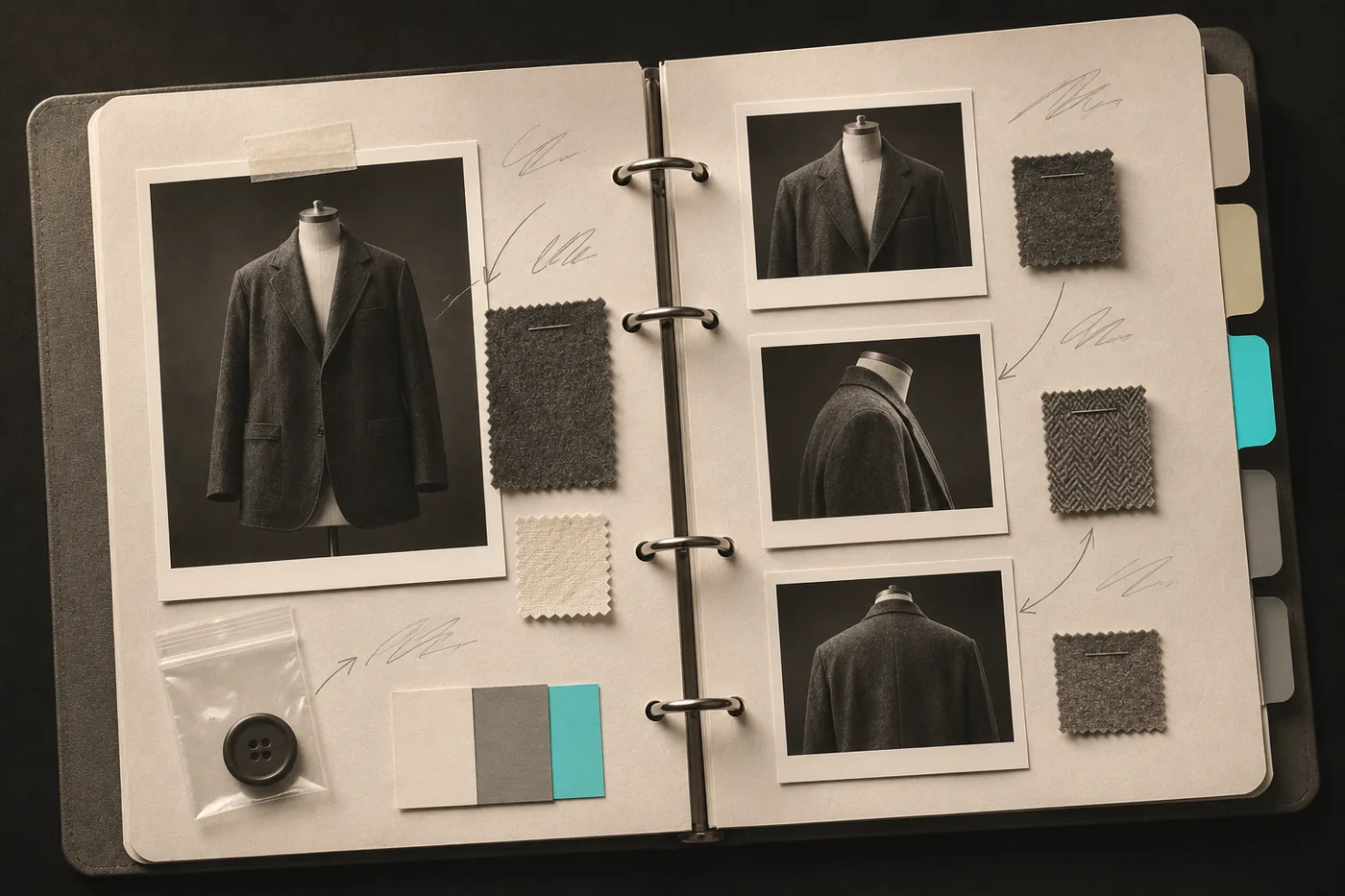
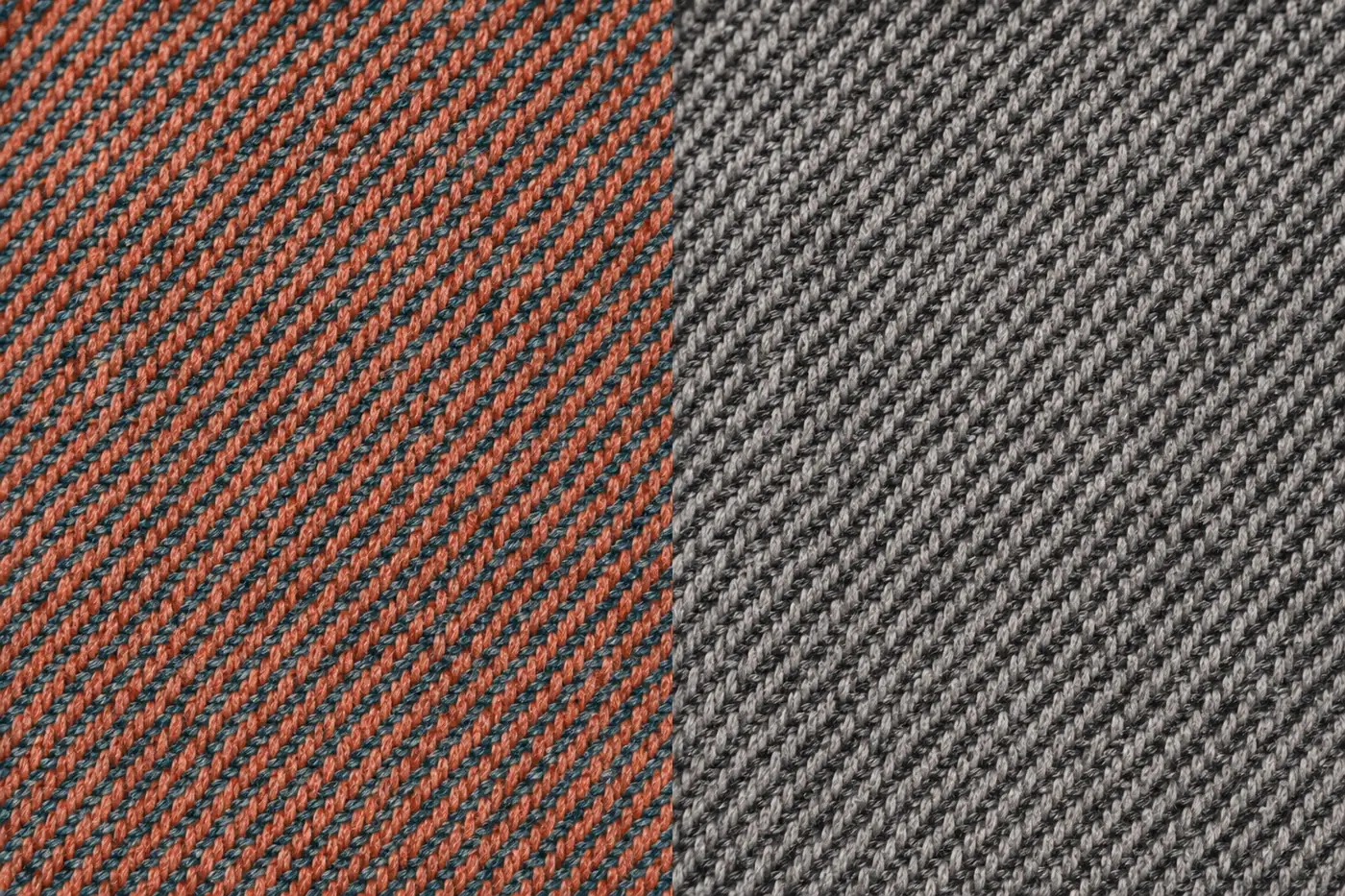
The second constraint concerns materials. A fabric has to work in relation to lighting, cinematography, the distance of the camera and the actor's movement. Its rendering does not necessarily match what was seen in a sample room: the surface may reflect too much light, lose detail, look stiffer or change in color perception. In black-and-white cinema, a color pleasing in person might not read on screen, which is why samples were checked in front of the camera. The sound of the material, ease of movement and the possibility of repeating a process can also become decisive.
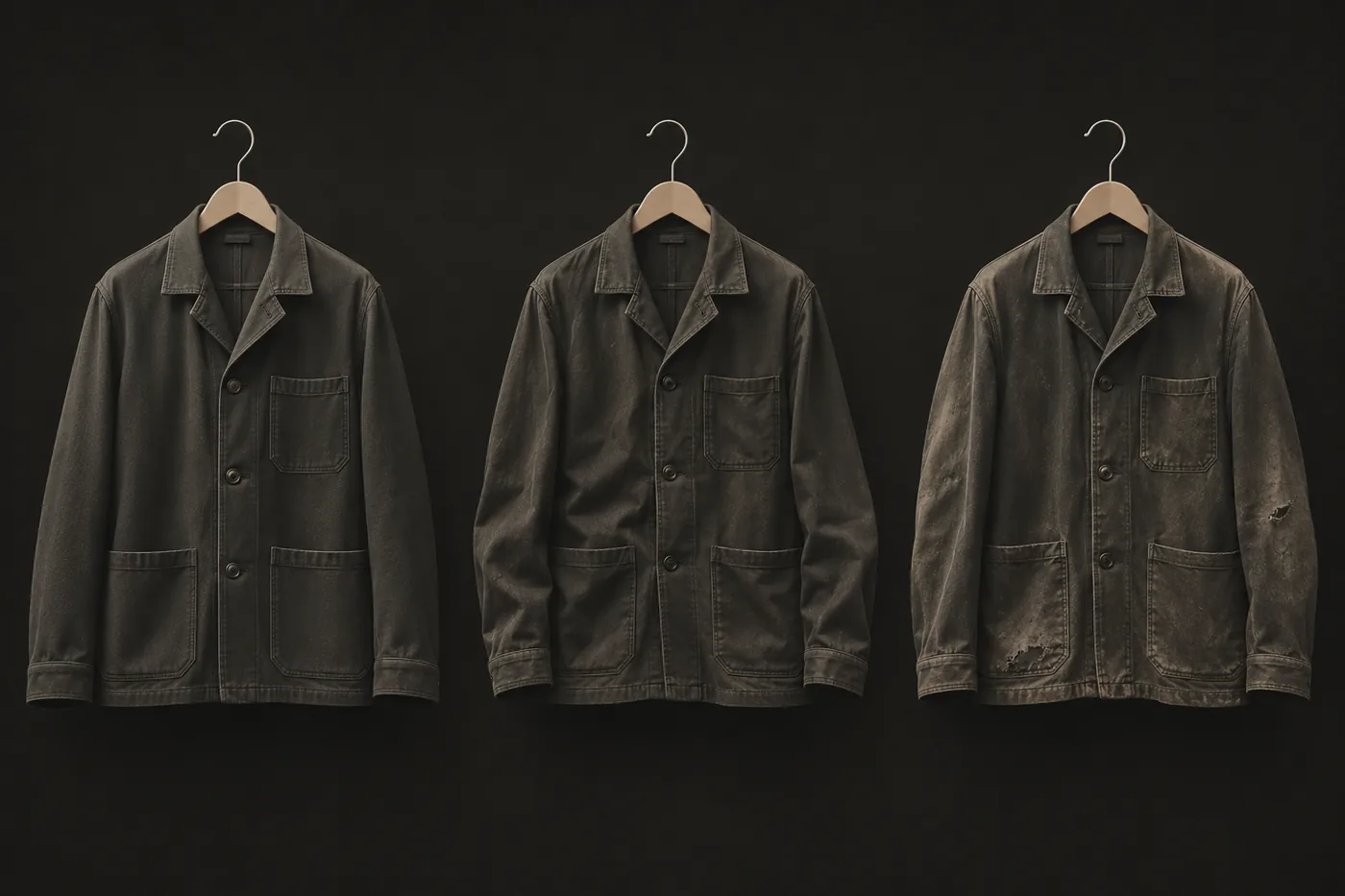
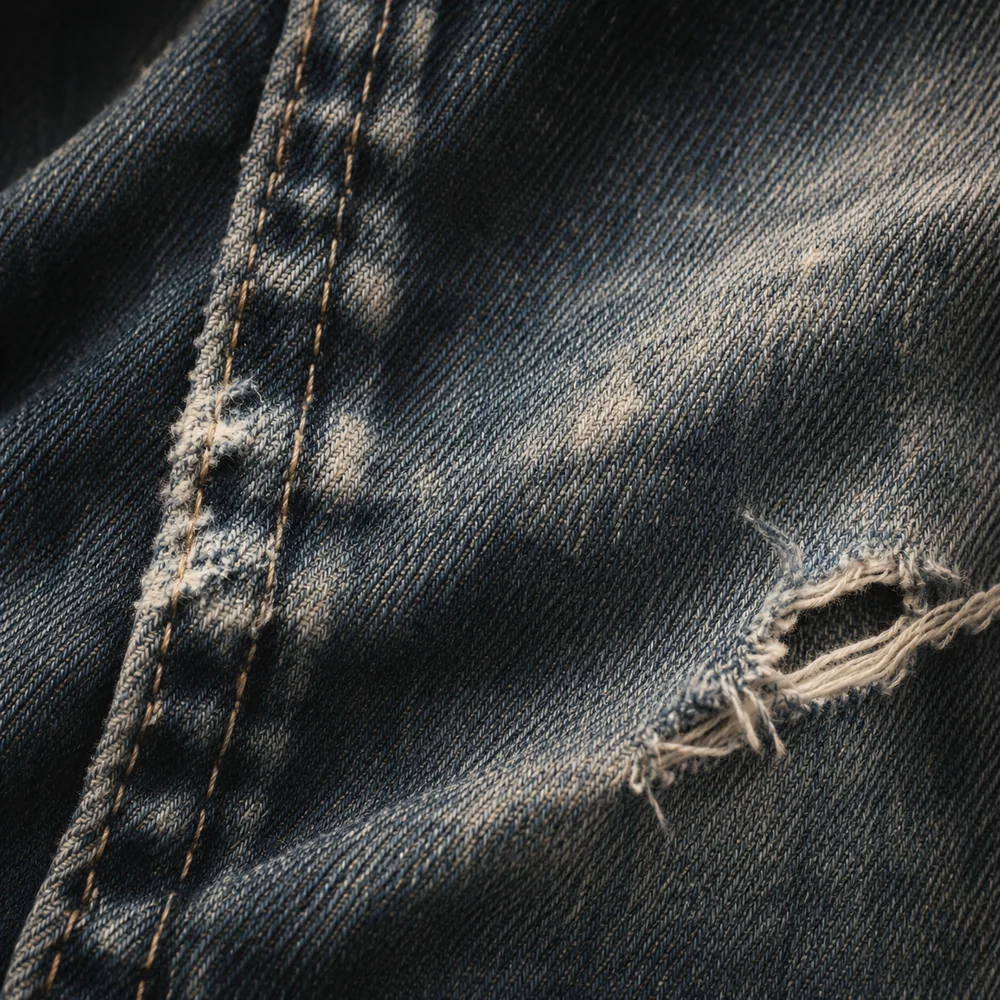
The third constraint is controlled wear. Washing, dyeing, abrasion and tearing serve to build an appearance consistent with the character's story: in the trade, aging and distressing. The garment has to look lived-in, but its aging has to be reproducible when the production returns to shoot an earlier scene.
For those working in fashion these constraints teach one thing: a product should not be judged only as a finished object, but also by how it behaves in use. Durability, maintenance, repeatability, color stability and construction have to be considered from development onward.
From series to feed: costume becomes a language that lasts
With television the relationship between character, clothing and audience changes. A series can develop a character over several seasons, and the wardrobe becomes part of their continuing identity.
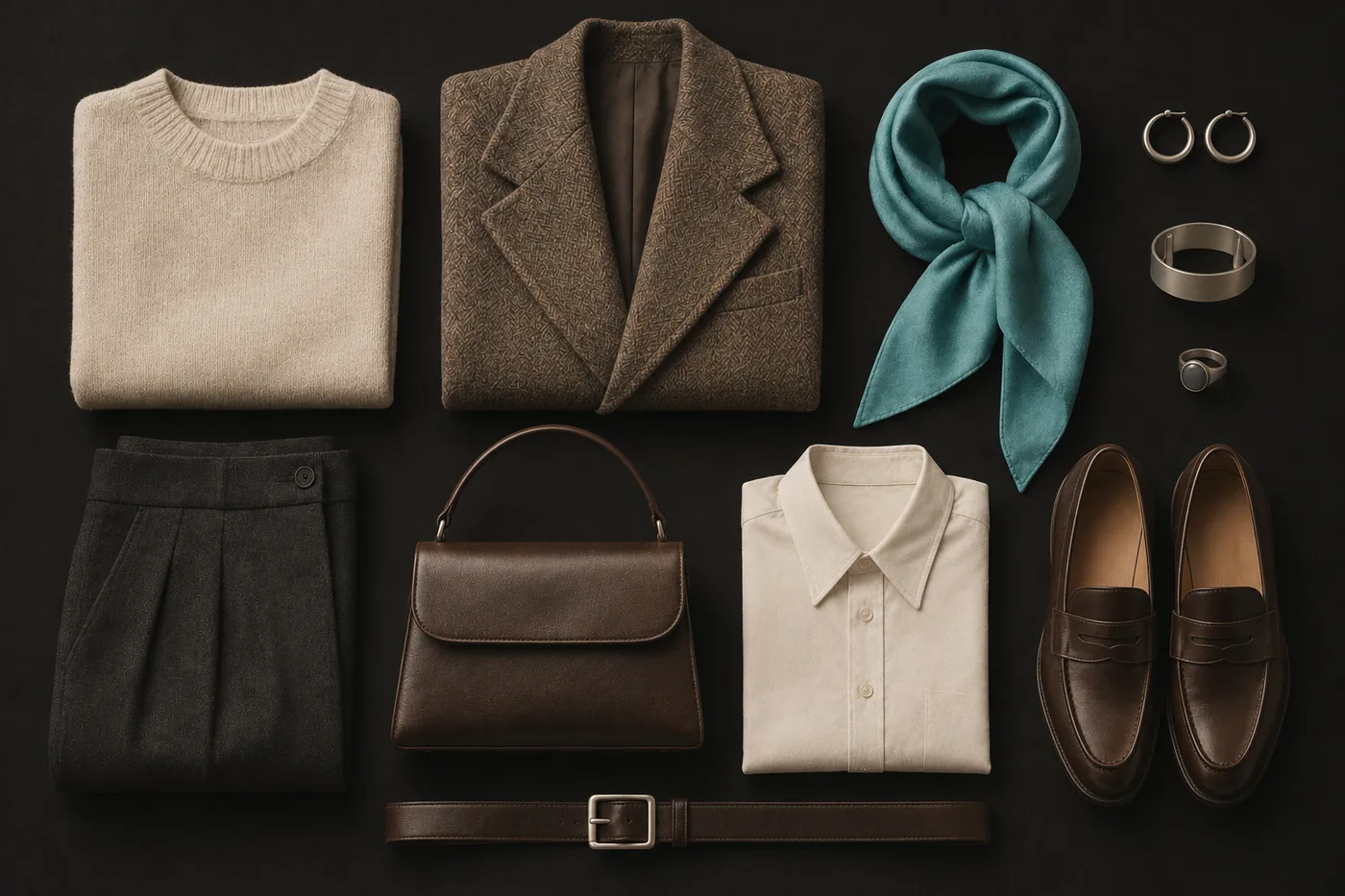
The case of Sex and the City (1998–2004) is significant. Costume designer Patricia Field built a recognizable visual language for the four leads, using accessories, combinations and contrasts to define personalities and relationships, such as Carrie's name necklace, decorative flowers and pearls. The audience can separate an element from the narrative context and turn it into an independent reference: an accessory, a color combination or a proportion keep circulating even when the original scene has been forgotten.
With digital video the life cycle of fashion images changes. A still photograph selects a moment. Cinema builds a sequence. Digital video can be produced, published, shared and reused far faster. The fashion film introduces duration, rhythm and transformation; social content is often made of fragments, consumed quickly and detached from the original story.
A vertical video also organizes space differently: the figure takes up a larger part of the frame, and information has to be distributed with the platforms' interfaces in mind. This does not mean designing a garment only for the phone. It means that, if its presentation goes through video, you have to consider how it will behave in the frame. A volume may work well in a front shot and lose legibility from the side. A detail obvious in a close-up photograph may vanish during a movement. A layering of fabrics, clear in person, may become confusing when the video is compressed and viewed on a small screen.
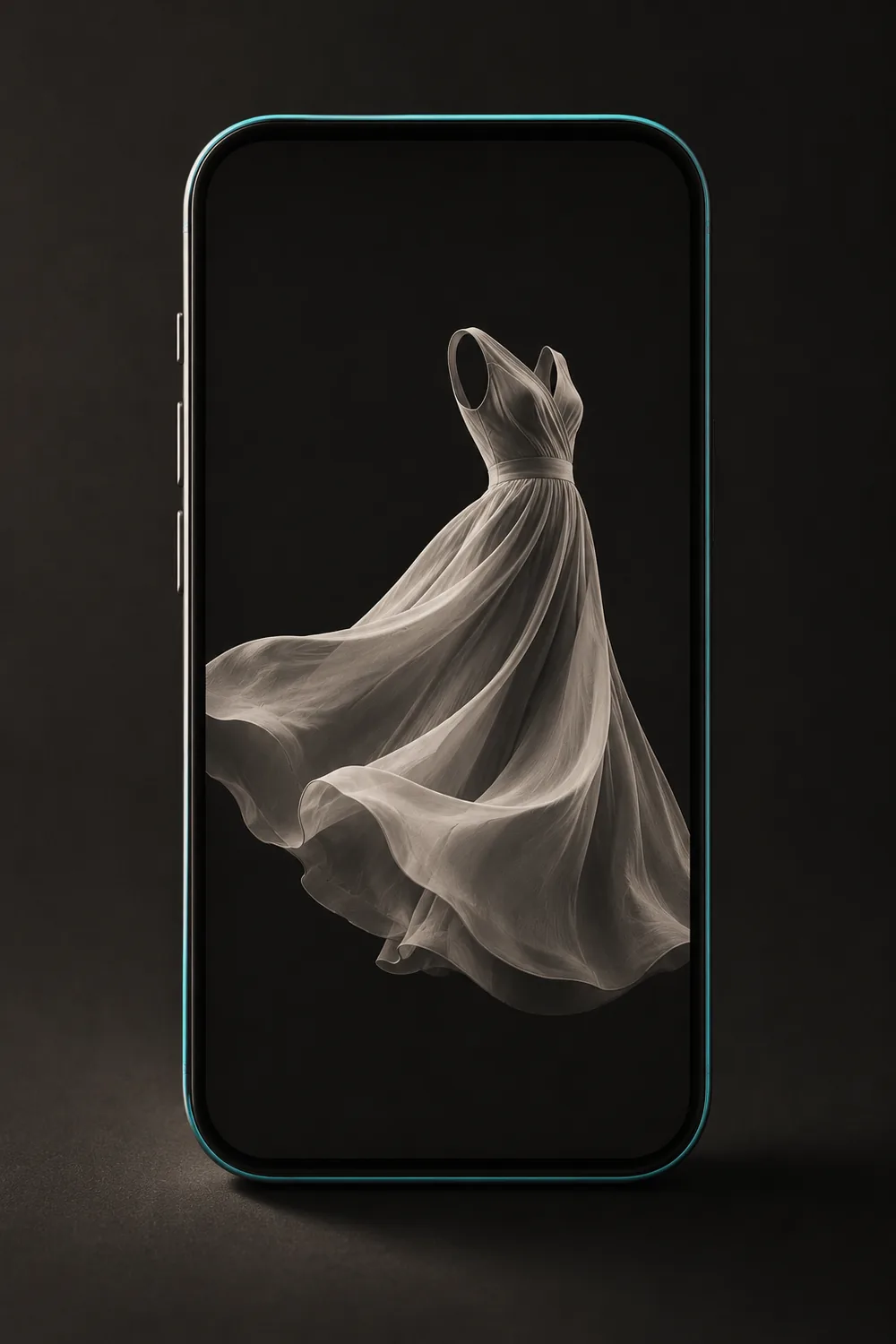
Color, movement and rhythm: a garment that also exists in the image
Color in cinema is never just decoration: it separates characters, organizes space, draws attention. In Rebel Without a Cause Nicholas Ray used color and the CinemaScope widescreen format with awareness, and red has a precise function in the film's visual construction. The color of a garment cannot be judged independently of the context in which it is shown: the same shade changes meaning according to light, background, movement and what surrounds it.
Movement, too, is a design element. A rigid jacket communicates differently from an unstructured one; a full skirt responds to walking differently from a fitted one. The way fabric folds, stretches or follows the body is part of how the product is represented. Rhythm, instead, works in the sequence: details, wide shots, slow movements and fast cuts decide which features are perceived first. These principles can be carried into the collection, organized as a visual sequence: garments that introduce a volume, others that develop a surface, others that break the repetition with a different color or construction.
Today a garment is seen on the body, photographed, filmed in motion, shown in detail or isolated in a short clip, and each representation highlights different characteristics. The point is not to create a different product for each medium, but to know which characteristics must stay recognizable in every context. And to account for the distance between representation and reality: a material that looks heavy in an image may be light in actual construction, and a silhouette can be altered by the lens and the perspective. Visual communication has to make the product understandable, not replace it with an image that alters its characteristics.

What it means for those who design today
The relationship between cinema and fashion offers concrete guidance to those who work on product, style and its presentation.
Build an identity. Adrian, Moss Mabry, Ruth Morley and Patricia Field show that a wardrobe becomes recognizable when its individual elements belong to a coherent system. Choosing an interesting garment is not enough: you have to understand what function it serves in relation to the body, the character and the overall image.
Design behavior over time. Costume work teaches you to consider how a garment behaves in use. Continuity, maintenance, repeatability and durability are not secondary issues: they are addressed already in the choice of materials, the construction and the technical documentation.
Evaluate the product and its representation. A garment has to be evaluated as a physical object and for what it communicates when worn and filmed. This does not mean chasing the demands of platforms at the expense of quality, but recognizing that visual legibility is now a condition of communication.
Think of the collection as a sequence. Color, silhouette, surfaces and movement can be organized in a progression, as in a film sequence, so that each garment contributes to a shared language without losing its own function.
Remember that image and product have different lifespans. A garment can leave distribution early while its representation circulates for decades. And the reverse: a product can last a long time without finding a visual language that makes its characteristics understandable.
For those who design today, the question is not creating clothes that look cinematic. It is designing products able to keep their identity as they move from drawing to body, from body to image and from image to collective memory.
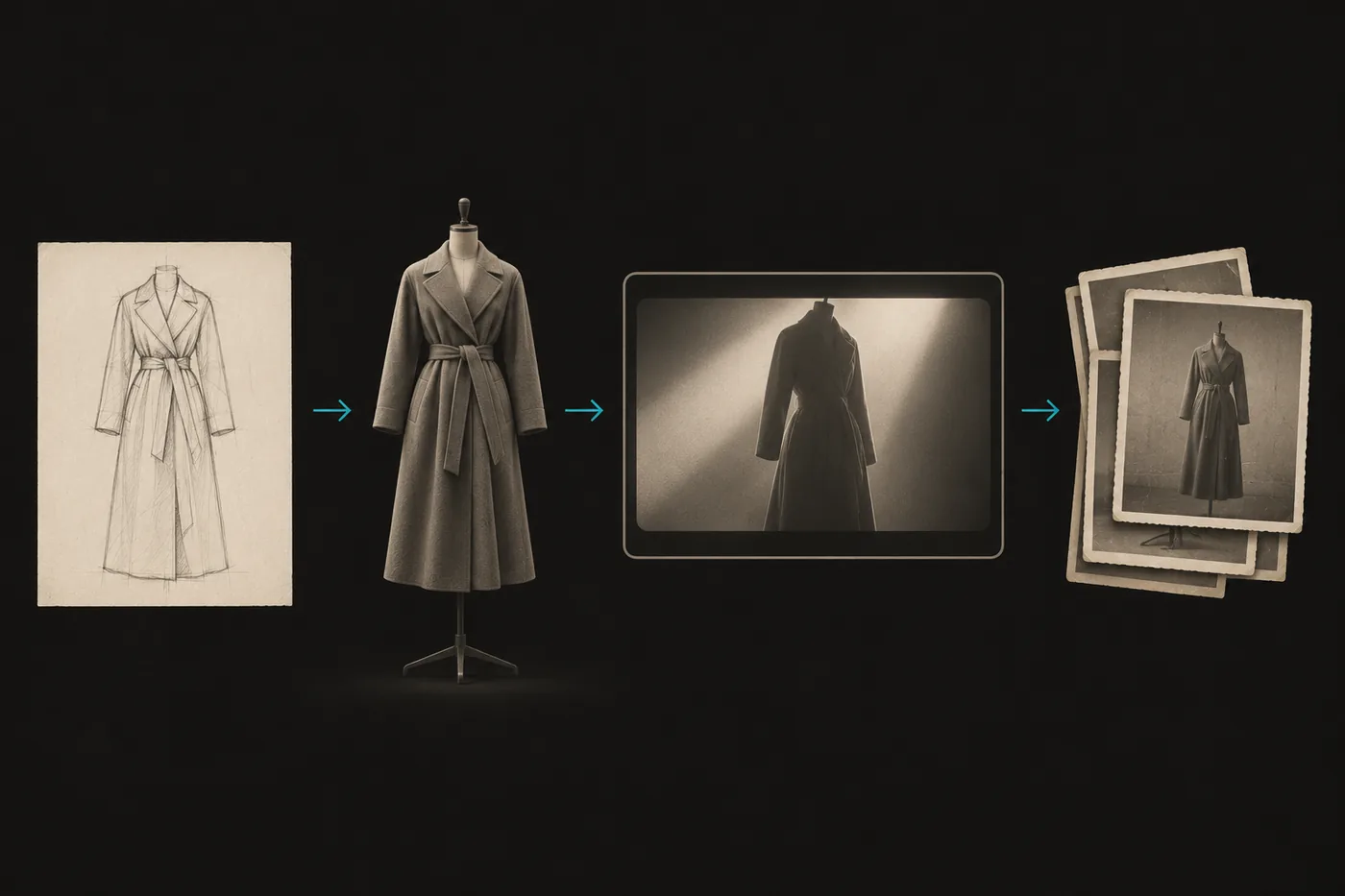
Costume and fashion share the same responsibility: turning an idea into a form that can be worn, observed and recognized.